Source Anatomical Model for Hospitals, Schools, and Clinics
Compare 30 anatomical model options from verified suppliers in China. Buyers can evaluate specifications, certifications, and pricing for medical education and training simulators used in hospitals, schools, and clinics; compare the available evidence and request quotations based on your requirements.
Key considerations
Products List




Comprehensive Sourcing Guide
Anatomical Model Sourcing Guide
Procuring anatomical models requires a strategic approach that balances educational accuracy with commercial viability. Buyers must first define the specific pedagogical needs, whether for medical nursing teaching, hospital training, or school education. The market offers a diverse range of products, from detailed human eye anatomy models to broader animal anatomical representations. Understanding the intended audience is crucial, as it dictates the level of detail, material durability, and scale required for effective learning outcomes.
The sourcing landscape is characterized by significant variation in product specifications and supplier capabilities. Listings indicate a wide price range and flexible minimum order quantities, suggesting a market that accommodates both small institutional purchases and large-scale distribution. Buyers should navigate this variety by focusing on verified attributes such as material composition, certification status, and shipping methods. Establishing clear requirements early in the process helps filter out irrelevant options and ensures that selected models meet the rigorous standards of medical and educational institutions.
Product Scope and Observed Listing Signals
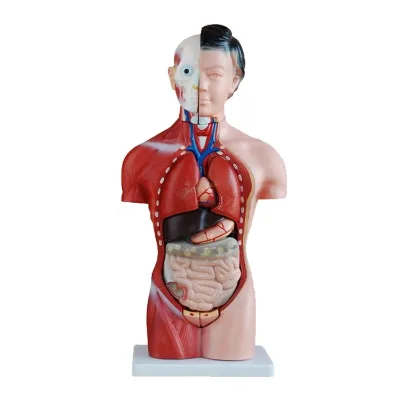
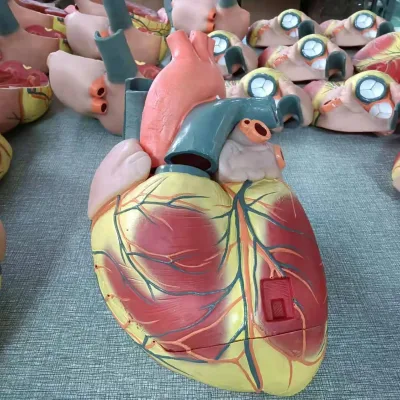
The current market presents a variety of anatomical models, including human eye anatomy, plastic hand models, and skin structure models. These items are often categorized under medical education training simulators, indicating their primary use in professional and academic settings. Observations show that products are typically new condition and may be customized or non-customized depending on the supplier. This flexibility allows buyers to tailor purchases to specific curriculum needs, ensuring that the models accurately reflect the anatomical features required for their training programs.
Material composition is a key differentiator, with PVC being a commonly observed material in these listings. This material choice often correlates with durability and ease of cleaning, which are essential for high-traffic educational environments. Additionally, products vary in size and weight, ranging from small, portable models to larger, more detailed representations. Buyers should pay close attention to these physical specifications to ensure that the models fit within their available space and can be handled safely by students and instructors during practical sessions.
Technical Specifications to Verify
Verifying technical specifications is critical to ensuring that the anatomical models meet the intended educational standards. Buyers should confirm the exact dimensions and weight of each model, as these factors influence storage, handling, and display requirements. For instance, some models may have specific standard sizes, such as those measuring approximately 78cm in length, while others are more compact. Understanding these physical attributes helps in planning logistics and ensuring that the models are appropriate for the target audience, whether they are medical students or school children.
Model identification numbers and packaging details are also important technical aspects to verify. Unique model codes, such as XY-11301 or MC-YA/B029, help in tracking inventory and reordering specific items. Packaging standards, including export packing and paper cartons, ensure that models arrive in good condition. Buyers should request detailed packaging information to assess the level of protection provided during transit, especially for fragile or detailed anatomical features. This verification step minimizes the risk of damage and ensures that the models are ready for immediate use upon delivery.
Compliance and Safety Documentation
Compliance with safety and quality standards is paramount when sourcing anatomical models for educational use. Many suppliers provide certifications such as CE, ISO, CCC, RoHS, and SGS, which indicate adherence to international quality and safety regulations. These certifications are essential for ensuring that the materials used in the models are non-toxic and safe for handling by students and instructors. Buyers should request copies of these certificates to verify that the products meet the regulatory requirements of their specific region or institution.
In addition to certifications, buyers should inquire about the condition and origin of the products. Most listed items are new and originate from manufacturing hubs in China, such as Shanghai and Guangdong. Understanding the origin can provide insights into the manufacturing processes and quality control measures employed by the supplier. Buyers should also verify that the products are suitable for their intended purpose, whether for hospital training, school education, or other medical nursing teaching applications. This due diligence ensures that the models are not only compliant but also fit for their specific educational role.
Cost Drivers and Commercial Terms
Cost drivers in the anatomical model market include material quality, customization options, and order volume. Prices can vary significantly, ranging from low-cost basic models to higher-priced, detailed simulators. Minimum order quantities (MOQ) also play a role in pricing, with some suppliers offering flexible MOQs as low as one piece, while others may require larger orders. Buyers should evaluate the total cost of ownership, including shipping and handling, to determine the most cost-effective sourcing strategy for their needs.
Commercial terms such as delivery time and shipping methods are also critical factors in the procurement process. Typical delivery times may range around ten days, but this can vary based on the supplier's capacity and the buyer's location. Shipping options, including sea, air, and express delivery, offer flexibility but come with different cost and time implications. Buyers should negotiate clear terms regarding payment, delivery, and returns to mitigate risks and ensure a smooth procurement experience. Understanding these commercial dynamics helps in budgeting and planning for the acquisition of anatomical models.
Supplier Qualification and Quality Control
Supplier qualification is a vital step in ensuring the reliability and consistency of anatomical model supplies. Buyers should assess suppliers based on their production capabilities, quality control processes, and customer service responsiveness. Suppliers with established manufacturing bases in regions like Shanghai and Guangdong often have robust infrastructure and experience in producing medical education products. Verifying the supplier's track record and reputation can provide confidence in the quality and durability of the models they offer.
Quality control measures should be clearly defined and agreed upon before placing orders. Buyers should request samples or detailed product images to verify the accuracy and finish of the anatomical models. Additionally, establishing clear communication channels with the supplier can help address any issues that may arise during production or delivery. Implementing a quality assurance protocol, such as pre-shipment inspections, can further ensure that the models meet the specified standards. This proactive approach to supplier management helps in maintaining high educational standards and customer satisfaction.
Long-Term Procurement Checks
Long-term procurement checks involve regular evaluation of supplier performance and product quality. Buyers should monitor key performance indicators such as delivery times, product defect rates, and customer feedback to assess the ongoing reliability of their suppliers. Establishing a periodic review process allows for the identification of potential issues and the implementation of corrective actions. This continuous improvement mindset ensures that the anatomical models remain fit for purpose and meet the evolving needs of the educational institution.
Additionally, buyers should stay informed about changes in regulatory standards and technological advancements in anatomical modeling. Keeping abreast of industry trends can help in making informed decisions about future purchases and upgrades. Building strong relationships with suppliers can also facilitate access to new products and innovations. By maintaining a strategic approach to procurement, buyers can ensure that their anatomical models continue to support effective medical and educational training over the long term.
FAQs
What certifications are available for anatomical models?
Certifications such as CE, ISO, CCC, RoHS, and SGS are available for anatomical models. These credentials ensure compliance with international safety and quality standards. Buyers can verify specific model requirements to match their regional regulatory needs. This verification supports trust in the product's manufacturing integrity and suitability for educational or medical training environments.
Can anatomical models be customized for specific needs?
Customization is available for anatomical models to meet specific educational or medical requirements. Buyers can request tailored features to enhance training effectiveness. This flexibility allows institutions to adapt models for unique curriculum needs. Custom options ensure the product aligns precisely with the intended teaching objectives and practical application scenarios.
What is the typical delivery time for anatomical models?
The typical delivery time for anatomical models is approximately 10 days. This timeframe applies to standard orders processed efficiently. Buyers should confirm specific lead times with suppliers to account for production schedules. This estimate helps in planning procurement timelines for educational institutions or medical training centers effectively.
Which materials are used in anatomical models?
PVC is a common material used in anatomical models due to its durability and realistic texture. This material allows for detailed representation of human or animal structures. Buyers can select models based on material properties that suit their training environment. PVC ensures longevity and ease of maintenance for frequent educational use.
How are anatomical models shipped and packaged?
Anatomical models are shipped by sea, air, or express courier services. Packaging includes export standard cartons, paper cartons, or boxes to ensure safe transit. This secure packaging protects the models from damage during transportation. Buyers can choose shipping methods based on urgency and cost considerations for their specific procurement needs.